

Optimized Bottleneck Management
The Problem
Information on material shortages, inventory, demand, bill of materials and supply chains is spread across multiple sources and has to be consolidated manually. This creates media breaks, Excel versions, errors in inventory coverage and delays in prioritisation, escalation and action planning.
What We Deliver
Artificial intelligence consolidates bottleneck-relevant data from different sources and connects it with the bill of materials, inventory coverage and supply logic to create a single situational picture. In supply chain disruption management, an AI system automatically identifies affected products, calculates critical path supply chain dependencies and prioritises response options for shortages and production risks. This creates a transparent, versioned decision process for managing supply chain disruption across production and logistics. Teams respond faster to disruption, document decisions clearly and handle bottlenecks with far less manual effort.
The Business Impact
Time-to-value / acceleration creates the strongest economic effect here because manual data collection and analysis in supply chain disruption management shrink to minutes. When affected products, inventory coverage and the critical path supply chain view are available immediately, response times to supply chain disruption and material shortages fall sharply. Earlier decisions prevent premium freight, unplanned escalations and follow-on costs caused by delayed action.
The Strategic Value
- Speed: Critical information from ERP, PDM and other sources is available within minutes for supply chain disruption management without manual consolidation.
- Automation: The calculation of affected products, inventory coverage and critical path dependencies runs in a standardised way instead of through error-prone Excel files and isolated queries.
- Resilience: During supply chain disruption and constantly changing data conditions, decision logic remains transparent, versioned and reliable under pressure.
AI Use Cases
Similar Challenges

Automate Product Data Management
Automate RAMS

Payroll Knowledge Base
Optical Quality Inspection
IT Helpdesk Agent
Optimized Bottleneck Management

Intelligent Service Ticketing

Intelligent Knowledge Search

Intelligent Master Data Validation
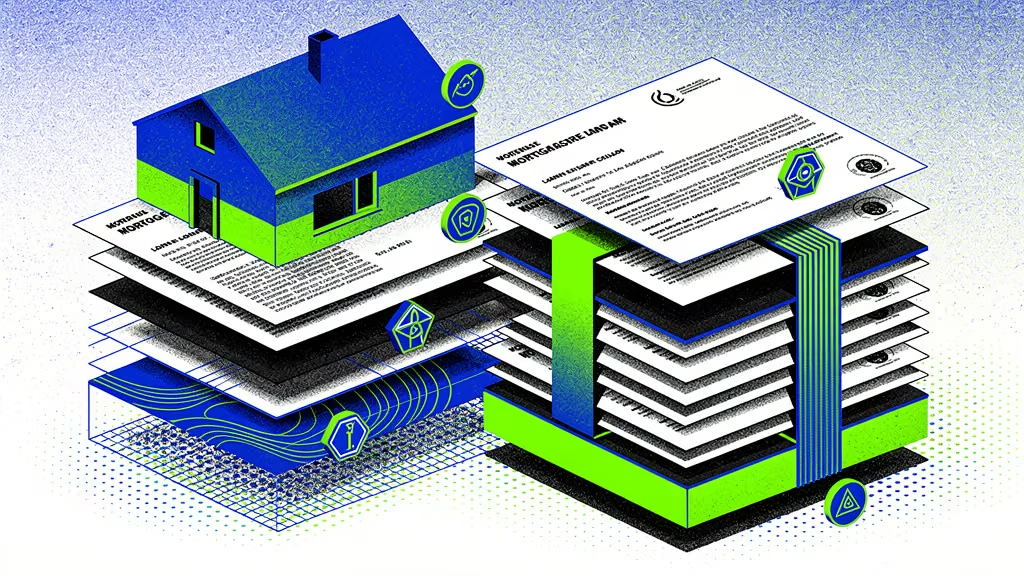
Optimise Lending Intelligently
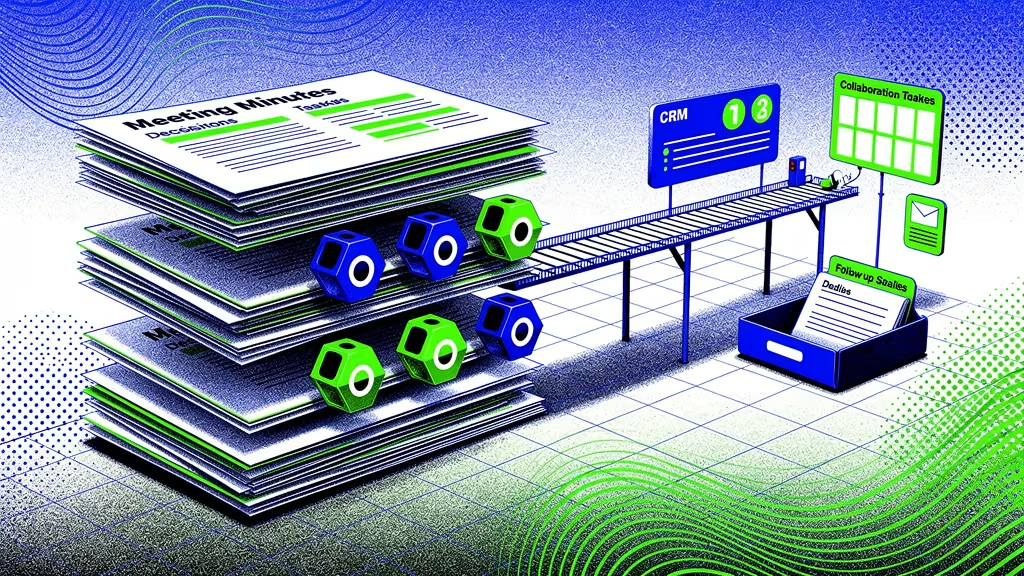
Sales Meeting Notes

Churn Analysis and Customer Reactivation
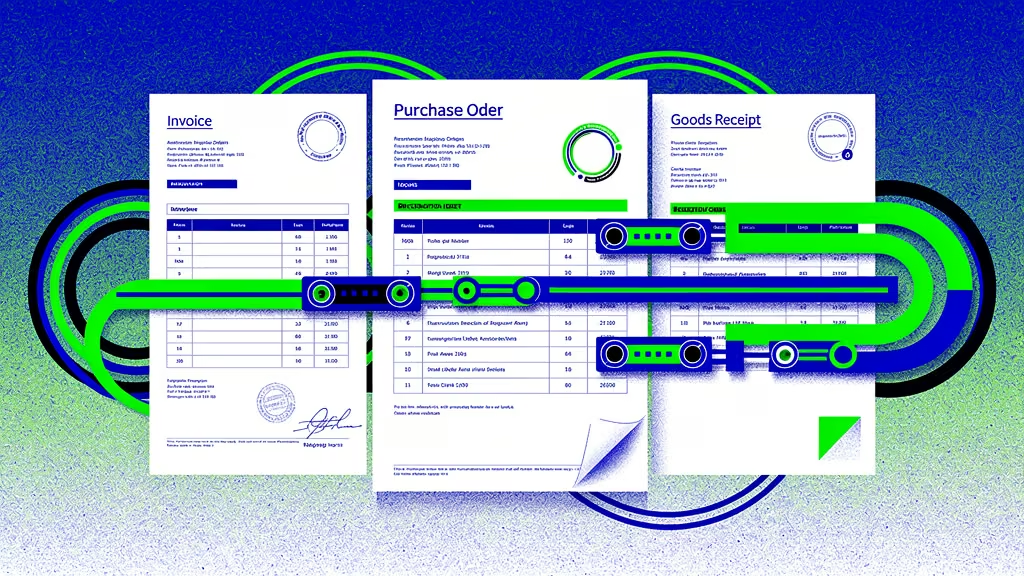
Automated Invoice Checking

Utility Bills Analysed Intelligently

Draft Statements Faster
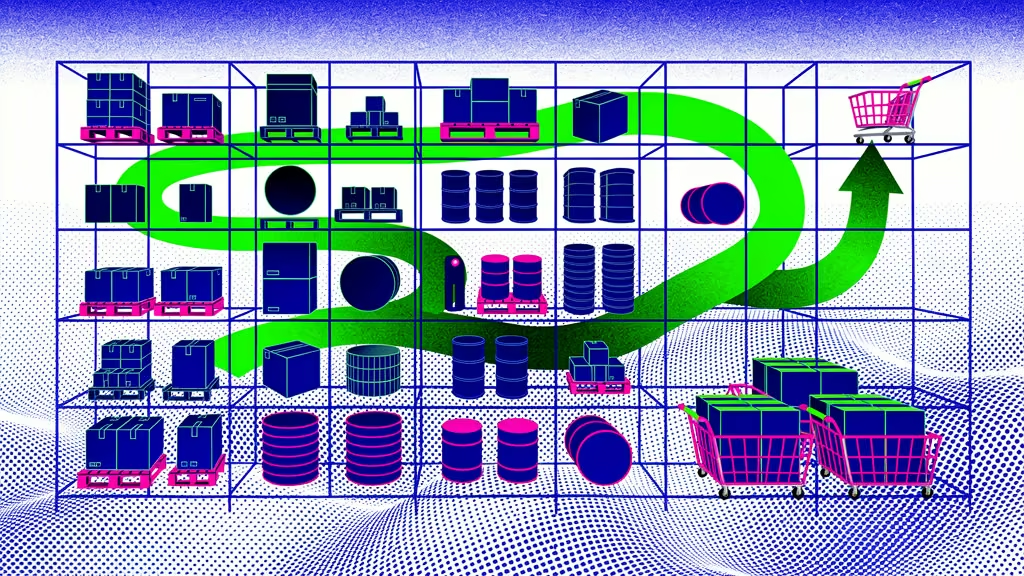
Intelligent Demand Planning
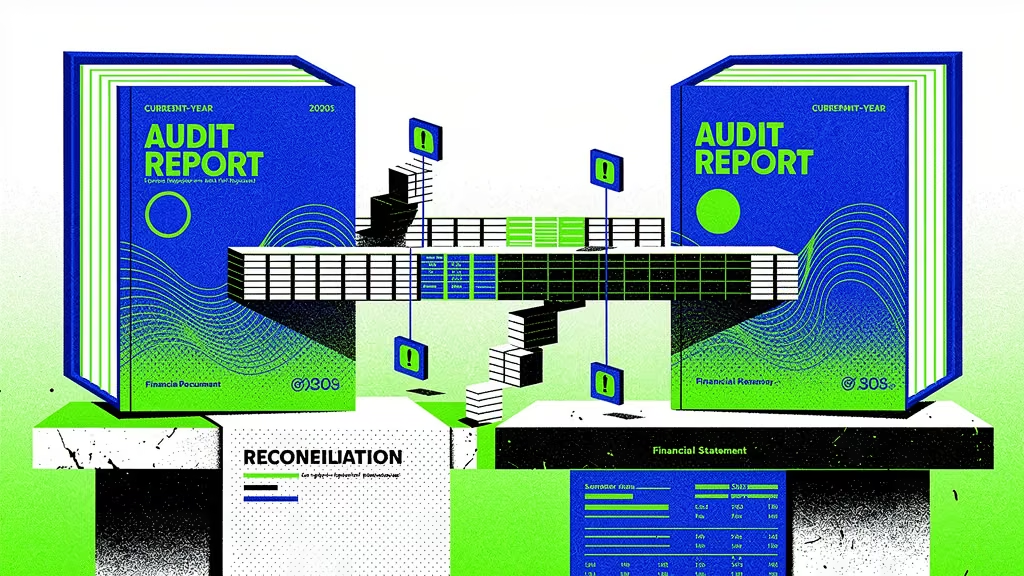
Automated Audit Report Review

Precision Production Planning

Automate Complaint Management

Intelligent Workforce Scheduling

More Accurate Project Planning
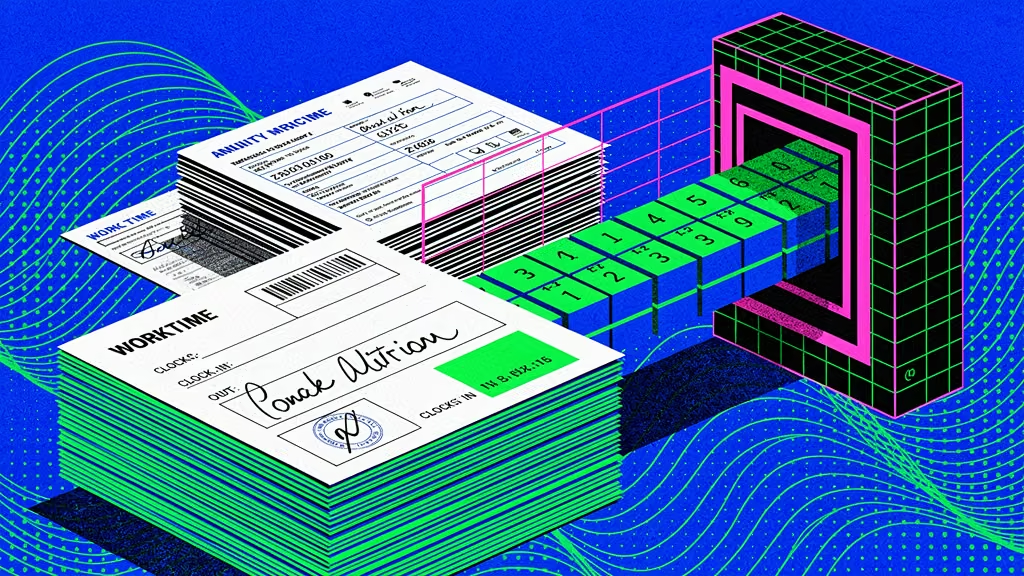
Automate Timesheet Processing

Accurate Call Centre Staffing

Predictive Maintenance

Automated Talent Management
























Ready when you are
Zukunft beginnt, wenn menschliche Intelligenz künstliche Intelligenz entwickelt. Der erste Schritt ist nur ein Klick.
Since 2017, we have been building AI systems that transform businesses. Let's talk about yours.


AI Consulting
AI Development
AI Operations
Formats
Company
Legal


